
In studies, the “Moringa Leaves” is described as a “Miracle Tree”, or a super-food that provides instant energy, reduces inflammation, and boosts immunity.
For centuries, the Moringa (Oleifera) has been used as a traditional medicine in the regions of Asia and Africa. It is a nutritional powerhouse, easily found anywhere in various form including dried herb, capsules, and supplements, or in powder form. In Asia, people buy Moringa plant for daily use.
The secret isn’t in one single “magic bullet.” Instead, the magic of Moringa lies in its breathtaking density of nutrition. Imagine a single plant source that packs a powerful punch of vitamins, minerals, and protein, often surpassing everyday foods we consider “healthy” in raw nutritional value.
It’s this incredible concentration of goodness that transforms Moringa from just another leafy green into a true super-food, offering a natural, plant-based solution for boosting energy, strengthening our defenses, and promoting overall vitality. Let’s peel back the layers and discover what makes the Moringa leaf so exceptionally special.
For centuries, the Moringa Oleifera tree, native to parts of Africa and Asia, has been revered in traditional medicine. Today, its leaves, often dubbed the “drumstick tree” or “miracle tree,” are celebrated globally as a nutritional powerhouse. But what makes these humble green leaves so special?
This comprehensive guide delves into the science-backed benefits of Moringa leaves, explores their impressive nutritional profile, and provides a practical recommended dosage to help you safely incorporate this superfood into your wellness routine.
What Are Moringa Leaves?
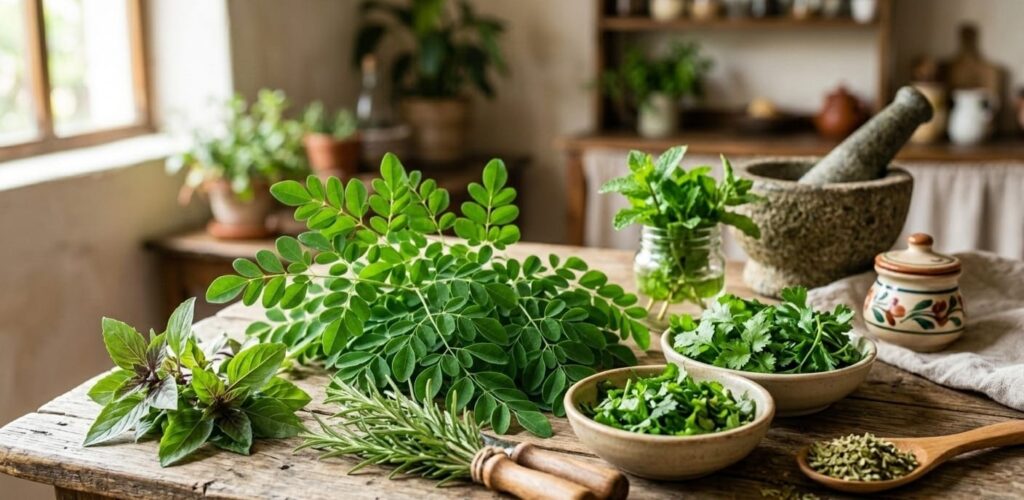
Moringa leaves are the foliage of the Moringa Oleifera tree. They are typically harvested, dried, and ground into a fine, vibrant green powder, though they can also be eaten fresh, cooked, or consume as a tea. Their versatility and dense nutrient content have rightfully earned them a top spot in the world of super-foods.
The Powerful Nutritional Profile of Moringa
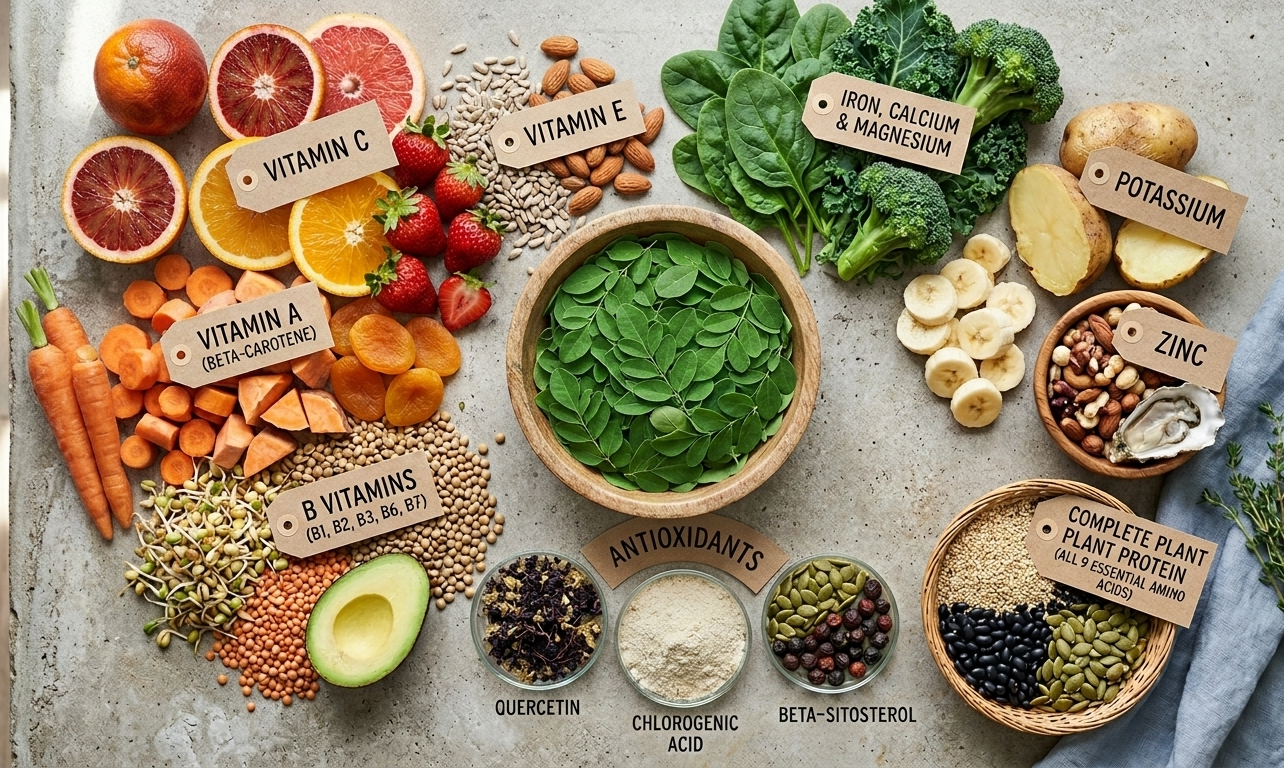
To understand its benefits, you must first appreciate its nutrition. Moringa leaves are a rich source of:
Vitamins: Vitamin A (from beta-carotene), B vitamins (B1, B2, B3, B6, B7), Vitamin C, and Vitamin E.
Minerals: Calcium, Potassium, Iron, Magnesium, and Zinc.
Protein: Contains all nine essential amino acids, making it a rare complete protein in the plant kingdom.
Antioxidants: Packed with powerful compounds like Quercetin, Chlorogenic Acid, and Beta-Sitosterol.
Top 7 Science-Backed Health Benefits of Moringa Leaves
Packed with Antioxidants
Moringa leaves are rich in antioxidants that fight free radicals in your body. High levels of these damaging molecules can lead to chronic diseases like heart disease and type 2 diabetes. The antioxidants in Moringa, such as quercetin and chlorogenic acid, help neutralize these free radicals.
Reduces Inflammation
Inflammation is the body’s natural response to infection or injury. Chronic inflammation, however, is problematic. Moringa contains isothiocyanates, which are known for their potent anti-inflammatory effects, potentially helping with conditions like arthritis.
Helps Lower Blood Sugar Levels
Several studies have shown that Moringa can help lower blood sugar levels. The compound isothiocyanates are credited with this anti-diabetic effect, making it a valuable supplement for those managing their blood sugar.
Supports Heart Health
The antioxidants in Moringa may help protect the heart. Research indicates it can lower cholesterol levels, particularly “bad” LDL cholesterol, while raising “good” HDL cholesterol, reducing the risk of heart disease.
Boosts Immunity and Nourishes the Body
With its high Vitamin C, Iron, and Vitamin A content, Moringa is an excellent immune system booster. It helps the body produce white blood cells and provides essential nutrients that are often deficient in modern diets.
Enhances Brain Health and Cognitive Function
The antioxidants in Moringa may also support brain health. They combat oxidative stress, which is linked to neurodegenerative diseases like Alzheimer’s. Its high Vitamin E and C content also helps fight cognitive decline.
Promotes Healthy Skin and Hair
The wealth of vitamins and antioxidants makes Moringa a boon for skin and hair. It helps protect skin cells from damage, reduces the appearance of wrinkles, and promotes a healthy scalp, leading to stronger, shinier hair.
Recommended Dosage: How Much Moringa Should You Take?
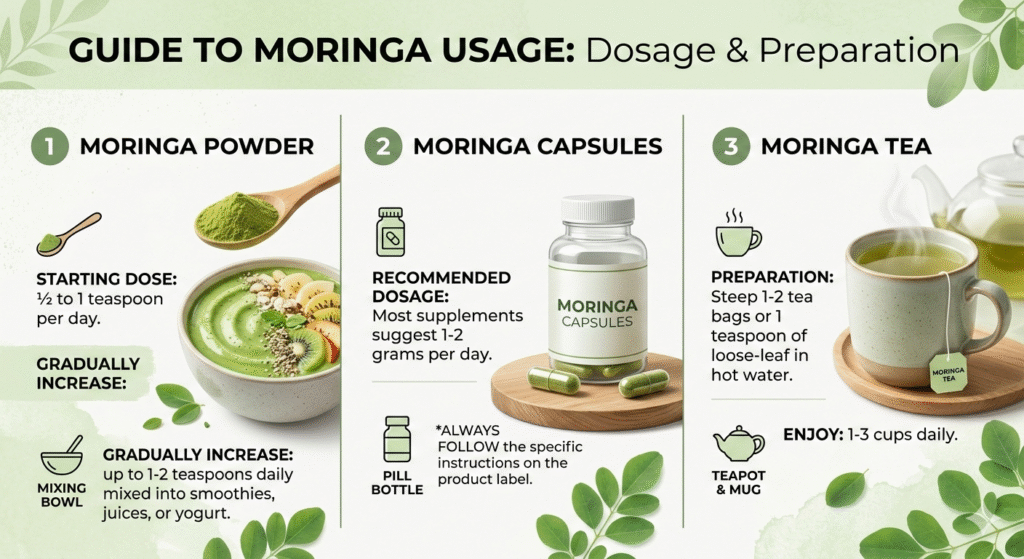
There is no one-size-fits-all dosage, as it depends on your age, health, and the form you’re consuming. However, general guidelines can help you start safely.
- Moringa Powder: A common starting dose is ½ to 1 teaspoon per day. This can be gradually increased to 1-2 teaspoons daily mixed into smoothies, juices, or yogurt.
- Moringa Capsules: Most supplements recommend 1-2 grams per day, but always follow the specific instructions on the product label.
- Moringa Tea: Steep 1-2 tea bags or 1 teaspoon of loose-leaf Moringa in hot water. You can enjoy 1-3 cups daily.
Important Safety Note: Always start with a smaller dose to see how your body reacts. While generally safe, high doses can have a laxative effect or cause stomach upset. Pregnant and breastfeeding women and individuals on medication (especially for blood sugar or blood pressure) should consult a doctor before use.
Adding Moringa to your diet is simple and convenient:
1. Smoothies: Blend 1 tsp of Moringa powder into your favorite fruit or green smoothie.
2. Tea: Enjoy a calming cup of Moringa tea.
3. Soups & Sauces: Stir the powder into soups, stews, or pasta sauces for a nutrient boost.
4. Salads: Sprinkle the powder as a seasoning or use fresh leaves in salads.
Conclusion: Is Moringa Right for You?
Moringa leaves offer a simple, potent, and natural way to significantly enhance your nutritional intake and support overall health. From fighting inflammation to boosting energy, the “miracle tree” lives up to its name.By starting with a low dose and choosing a high-quality, pure product, you can safely explore the remarkable benefits of this ancient superfood and take a powerful step toward a healthier you.
Disclaimer:
This article is for informational purposes only and does not constitute medical advice. Please consult with a healthcare professional before making any significant changes to your diet or health regimen.


Leave a Reply